


In professional interviews—whether for journalism, podcasts, video production, or corporate communications—audio quality is just as important as the content of the conversation. Poor sound can distract audiences, reduce credibility, and even make valuable information difficult to understand. Wireless microphones have become an essential tool for improving interview recording quality because they provide mobility, clarity, and reliability that traditional wired microphones often cannot match.
One of the biggest advantages of wireless microphones is mobility. During interviews, both the interviewer and the guest often move naturally while speaking. With wired microphones, movement can be restricted by cables, which may create noise, tangling, or limited positioning.
Wireless systems eliminate these limitations. Interviewers can move freely, adjust their posture, or change locations without affecting audio capture. This flexibility is especially useful in dynamic environments such as outdoor interviews, event coverage, or documentary filming where mobility is essential.
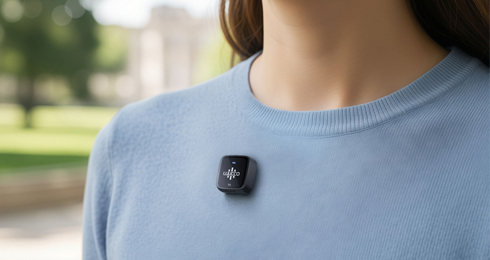
Wireless microphones—especially lavalier (lapel) microphones—are typically clipped close to the speaker's mouth. This consistent placement allows the microphone to capture voice clearly while minimizing fluctuations in volume caused by distance changes.
In contrast, handheld microphones or camera-mounted microphones may pick up uneven sound if the speaker turns their head or moves away. Wireless lavalier microphones maintain a stable recording distance, ensuring consistent audio levels throughout the interview.
Many modern wireless microphone systems include advanced noise reduction technology. This helps isolate the speaker’s voice while suppressing background sounds such as wind, crowd noise, traffic, or room echo.
For interviews recorded in public spaces, busy offices, or outdoor environments, this feature significantly improves clarity. The result is cleaner audio that requires less editing during post-production.
High-quality wireless microphone systems are designed to transmit audio signals over long distances without dropouts or interference. This is especially important for video interviews where the camera may be positioned several meters away from the subjects.
Reliable wireless transmission ensures that audio remains synchronized with the video while maintaining high fidelity. Modern digital wireless systems also use automatic frequency management to avoid signal conflicts in crowded environments.
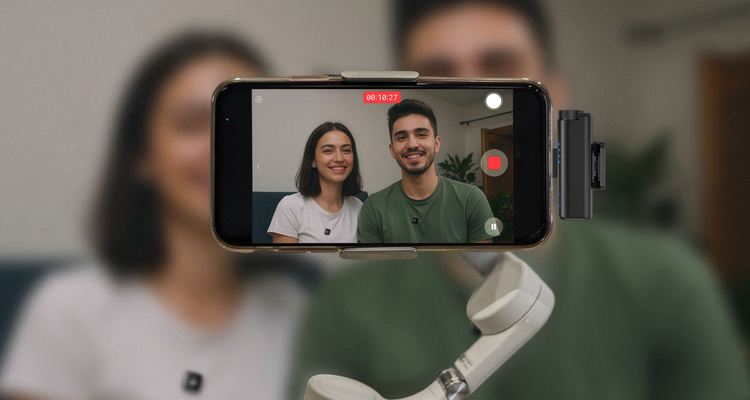
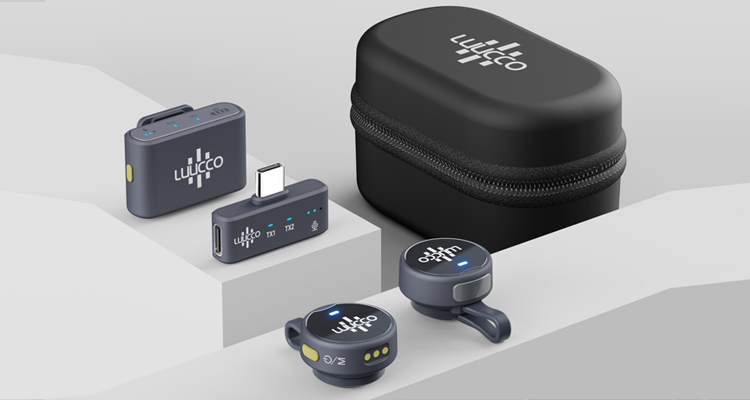
Many wireless microphone kits support dual-channel or multi-channel recording, allowing multiple speakers to be recorded simultaneously. This is particularly useful for interviews involving an interviewer and a guest.
Each participant can wear their own microphone, ensuring both voices are captured clearly and independently. This not only improves audio quality but also provides greater flexibility during editing and mixing.
Wireless microphones contribute to a more professional visual appearance during recorded interviews. Without visible cables running across clothing, floors, or tables, the setup looks cleaner and less distracting on camera.
This is especially beneficial for video interviews, social media content, live streams, and corporate presentations where visual presentation matters.
Because wireless microphones deliver clearer and more consistent audio at the source, they reduce the amount of time needed for audio correction in post-production. Editors spend less time adjusting volume levels, removing noise, or synchronizing separate audio tracks.
This efficiency speeds up the overall production workflow and helps creators deliver high-quality content faster.
Wireless microphones have become a vital tool for producing professional interview recordings. By providing mobility, stable audio capture, background noise reduction, and reliable transmission, they significantly improve both the recording experience and the final sound quality.
Whether for journalism, podcasting, filmmaking, or online content creation, investing in a reliable wireless microphone system can dramatically enhance the clarity and professionalism of interview recordings.