

Mobile filmmaking and vlogging have evolved dramatically in recent years. With smartphones now capable of shooting cinematic-quality video, creators can produce professional content without bulky camera rigs. However, while mobile cameras have improved significantly, audio quality still depends heavily on the microphone you use. Poor sound can ruin otherwise great footage, making the right microphone one of the most important tools for any mobile filmmaker or vlogger.
This guide explores the best types of microphones for mobile filmmaking and vlogging, along with several popular models that deliver reliable performance for creators.
In video production, audiences are often more tolerant of imperfect visuals than bad audio. Background noise, echo, or muffled voices can quickly make a video feel unprofessional.
Using an external microphone helps you:
Whether you’re filming travel vlogs, interviews, tutorials, or social media content, upgrading your microphone can dramatically improve your overall production quality.
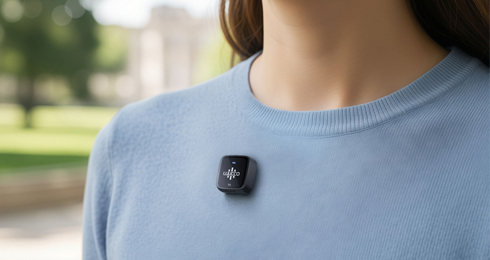
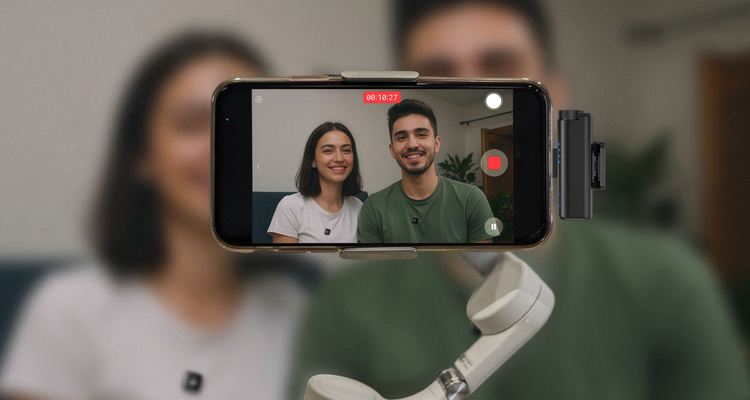
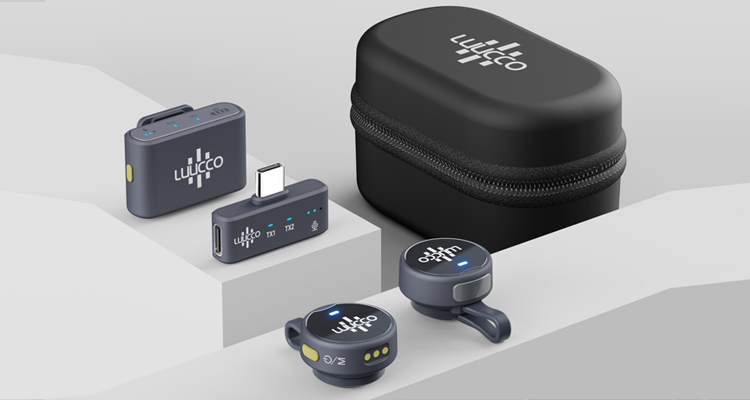
Wireless lavalier microphones are among the most popular choices for mobile filmmakers and vloggers. These small clip-on mics attach to clothing and transmit audio wirelessly to your smartphone.
They are ideal for:
One of the most widely used systems is the DJI Mic 2, known for its compact design, strong wireless transmission, and built-in recording capability. Another popular option is the RØDE Wireless GO II, which offers dual-channel recording—perfect for two-person interviews.
Advantages
Shotgun microphones are designed to capture sound from a specific direction, making them great for filmmaking and controlled shooting environments.
For mobile filmmakers who mount microphones directly on their phones or rigs, compact shotgun mics provide focused audio capture while minimizing background noise.
Two well-known options include the RØDE VideoMic Me-L and the Shure MV88, both designed specifically for smartphones.
Advantages
For creators who prefer a simple setup, compact on-camera microphones attach directly to a smartphone mount or camera rig.
These microphones are excellent for:
A well-known compact microphone is the RØDE VideoMicro, which is lightweight and battery-free. Another powerful option is the Deity V‑Mic D4 Mini, known for its durable metal build and high-quality audio.
Advantages
Some creators record voiceovers, livestreams, or studio-style videos directly into their smartphones or tablets. In these cases, USB microphones with mobile compatibility can deliver studio-quality sound.
The Blue Yeti remains one of the most recognizable USB microphones for content creation. Meanwhile, the Shure MV7 offers professional-grade audio with both USB and XLR connectivity.
Advantages
When choosing a microphone for mobile filmmaking or vlogging, keep these factors in mind:
1. Compatibility
Ensure the microphone works with your smartphone (Lightning, USB-C, or 3.5mm).
2. Portability
Lightweight gear is essential for mobile creators who shoot on the go.
3. Noise Reduction
Look for microphones with built-in noise cancellation or wind protection.
4. Wireless Range
For wireless systems, reliable transmission distance can make a big difference during outdoor filming.
5. Battery Life
Long battery life ensures uninterrupted recording sessions.
Great audio is a defining element of professional video content. While smartphones can capture stunning visuals, a high-quality microphone ensures your audience hears every word clearly.
Whether you choose a wireless lavalier system like the DJI Mic 2, a directional option such as the RØDE VideoMic Me-L, or a compact solution like the RØDE VideoMicro, investing in the right microphone will significantly elevate your mobile filmmaking and vlogging production quality.
For creators serious about content, upgrading your audio setup is one of the smartest steps you can take.