

Have you ever wanted to record vocals, an instrument, or any other sound source but didn’t know which microphone to use? Choosing the right microphone can make a huge difference in the quality of your recordings.
In this guide, we’ll walk you through the most important types of microphones used in studio environments, explain their transducer principles, and help you understand when to use each type.
Typical applications:
Dynamic microphones are known for their durability and reliability. They can withstand very high sound pressure levels and are less sensitive to background noise. Many dynamic microphones feature a cardioid polar pattern, which focuses on sound coming from the front while rejecting sound from the sides and rear.
Because of their rugged construction, dynamic microphones are widely used both in studios and on live stages. They are also excellent for field recording, especially when capturing loud sources such as engines, explosions, or amplified instruments.
If you're recording powerful or high-volume sounds, a dynamic microphone is often the safest and most practical choice.
Typical applications:
Condenser microphones are much more sensitive than dynamic microphones. This sensitivity allows them to capture a wider range of frequencies and subtle details in a sound source.
Because of this, condenser microphones are often the preferred choice for studio vocal recording, as they can accurately capture the nuances and character of a singer’s voice.
However, this sensitivity can also be a drawback in untreated or noisy environments. If your recording space has background noise or poor acoustics, a dynamic microphone might produce cleaner results.
Another important factor is that condenser microphones require a power source called phantom power. This power is usually supplied by an audio interface, mixer, or dedicated phantom power unit.
Always make sure phantom power is only activated when the connected microphone requires it.
Typical applications:
Ribbon microphones are technically a type of dynamic microphone, but they operate differently and produce a distinctive sound character.
They are famous for their warm, vintage tone, which makes them popular for recording guitar amplifiers and capturing natural room ambience.
Most ribbon microphones have a figure-eight polar pattern, meaning they capture sound from both the front and the back while rejecting sound from the sides.
Compared to dynamic and condenser microphones, ribbon microphones are typically more fragile and less tolerant of extremely high sound pressure levels. Because of this, they are usually not the first microphone beginners purchase.
However, once incorporated into a recording setup, a high-quality ribbon microphone can become a powerful creative tool, adding unique character to recordings.
Microphones alone are not enough to start recording. Several accessories are needed to properly connect, position, and optimize them for recording.
Professional microphones typically use balanced cables, with the most common being XLR cables.
XLR cables have three pins (male or female connectors) and are designed to transmit balanced audio signals from the microphone to a mixer or audio interface.
Balanced cables help minimize noise and signal interference, especially over longer cable runs, making them essential for both studio recording and live sound setups.
Today, most recordings are made and edited inside a DAW (Digital Audio Workstation) on a computer.
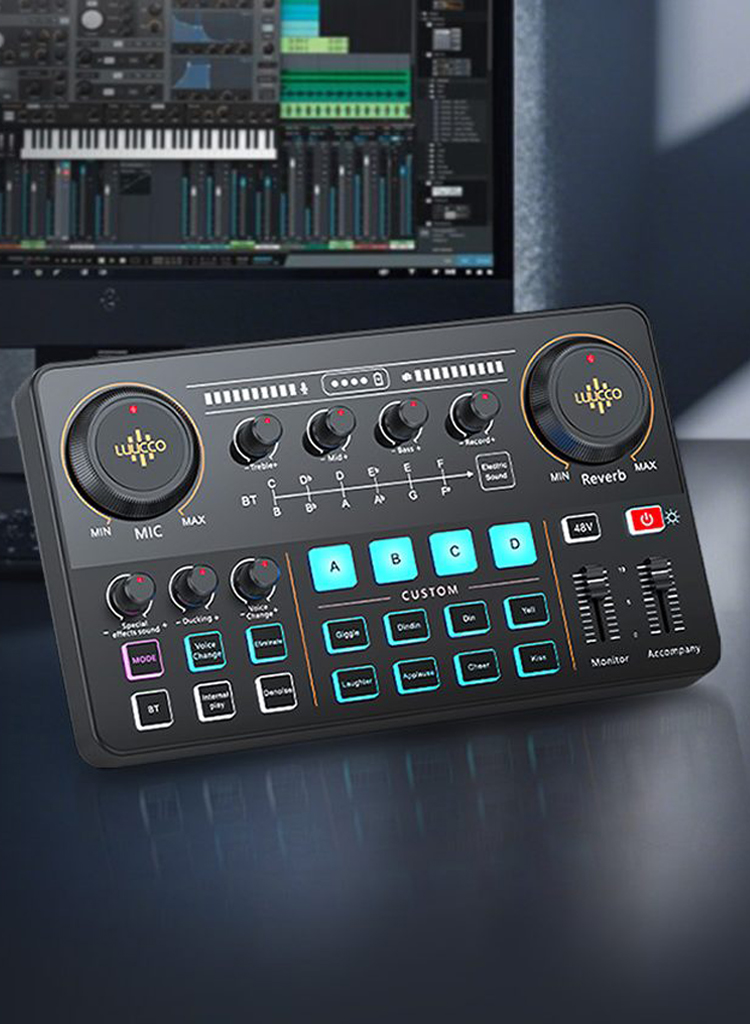
To connect a microphone to your computer, you need an audio interface. The interface converts analog microphone signals into digital audio that your computer can process.
Many interfaces also provide phantom power for condenser microphones.
Keep in mind that audio interfaces have a limited number of microphone preamps, and some microphones require more gain than others. Choosing the right microphone and interface combination is important for achieving optimal recording levels.
Plosives are strong bursts of air created when pronouncing consonants like “p” and “b.”
When these bursts hit the microphone diaphragm directly, they can cause unpleasant low-frequency pops in the recording.
A pop filter helps prevent this issue by dispersing the airflow before it reaches the microphone. This simple accessory can significantly improve the clarity and professionalism of vocal recordings.
A microphone stand is another essential accessory.
It stabilizes the microphone, prevents unwanted movement, and allows you to position the microphone accurately. Using a stand also keeps your hands free and reduces vibrations that could affect the recording.
Every microphone has unique characteristics, and different recording situations require different types of microphones.
For example:
When it comes to recording vocals, there is no single microphone that works perfectly for every voice. Many engineers and musicians develop personal preferences based on the tonal character of specific microphones.
Because every voice is different, experimenting with different microphones is often the best way to discover what works best for your recordings.