

Wireless microphones have become an essential tool for modern content creators, filmmakers, podcasters, and live presenters. Whether you’re recording interviews, producing YouTube videos, livestreaming, or capturing professional audio for events, choosing the right wireless microphone can significantly improve your sound quality and workflow.
In 2026, wireless microphone systems are more compact, powerful, and user-friendly than ever. However, with so many options available, selecting the right one can still feel overwhelming. This guide will walk you through the most important factors to consider when choosing a wireless microphone.
Before choosing a wireless microphone, the first step is understanding how and where you plan to use it. Different recording situations require different microphone setups.
For example:
Knowing your primary use case will help you narrow down the right type of wireless microphone system.
Wireless microphones rely on radio transmission between the transmitter and receiver. A strong and stable connection ensures your audio remains clear without dropouts or interference.
Modern wireless microphone systems often provide:
If you frequently record outdoors, on large stages, or in busy environments with many wireless devices, choosing a system with stable long-range transmission is especially important.
Good audio quality is one of the most important factors when choosing a microphone. In 2026, many wireless microphones support high-resolution audio recording with improved signal processing.
Look for features such as:
These features help capture clear vocals while reducing background noise, making your recordings sound more professional.
Wireless microphone systems typically come in two configurations:
A single transmitter system records audio from one speaker. It’s ideal for:
A dual transmitter system allows two people to record simultaneously. This setup is perfect for:
If you regularly record conversations or interviews, a dual-channel wireless microphone system can save time during production.
Modern creators often record audio on multiple devices. When choosing a wireless microphone, make sure it is compatible with your recording setup.
Many wireless systems support connections with:
Some microphones include multiple adapters (USB-C, Lightning, or 3.5 mm) to ensure easy compatibility across devices.
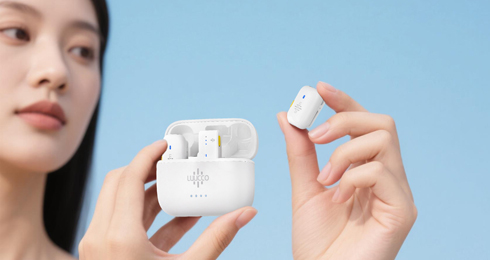
Battery performance can make a big difference during long recording sessions. In recent years, many wireless microphone systems have introduced charging cases, similar to wireless earbuds.
Key battery features to consider include:
A charging case not only protects the microphones but also keeps them powered throughout the day.
One of the biggest advantages of modern wireless microphones is how simple they are to use. Many systems now feature plug-and-play operation, automatic pairing, and compact designs.
When evaluating a wireless microphone, consider:
Compact systems are especially useful for creators who travel frequently or record on location.
Some wireless microphones include additional features designed to improve recording quality and convenience, such as:
These features can help prevent recording issues and give you more flexibility during production.
Choosing the right wireless microphone in 2026 comes down to understanding your recording needs and selecting a system that offers the right balance of audio quality, transmission stability, compatibility, and ease of use.
For solo creators, a compact single-transmitter system may be enough. For interviews and collaborative content, a dual-transmitter setup is often the better choice.
As wireless microphone technology continues to improve, creators now have access to professional-level audio tools that are smaller, smarter, and easier to use than ever before.