

Clear and professional audio is one of the most important elements of any video, podcast, or live presentation. While cameras and lighting often get most of the attention, poor sound quality can quickly ruin otherwise great content.
That’s where lavalier microphones come in. Also known as lapel microphones, lavalier mics are small, discreet, and designed to capture clear speech while remaining nearly invisible on camera.
In this guide, we’ll walk you through everything you need to know before buying a lavalier microphone, including how they work, the different types available, and the key features you should look for.
A lavalier microphone is a small clip-on microphone designed to be attached to clothing, usually near the chest area. Because it sits close to the speaker’s mouth, it can capture clear voice recordings while minimizing background noise.
Lavalier microphones are widely used in:
Their compact size and hands-free operation make them one of the most convenient microphones for creators and presenters.
One of the first decisions you need to make is whether to choose a wired lavalier microphone or a wireless lavalier microphone system.
Wired lavalier microphones connect directly to a recording device such as a smartphone, camera, or audio recorder through a cable.
Advantages:
Disadvantages:
Wired lavalier microphones are often ideal for podcasting, desk recording, or stationary interviews.
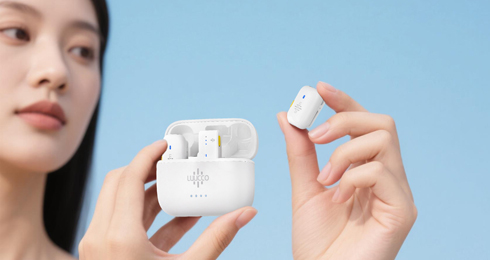
Wireless lavalier systems use a transmitter and receiver to send audio signals without cables.
Advantages:
Disadvantages:
Wireless lavalier microphones are commonly used by content creators, filmmakers, interviewers, and presenters who need mobility while recording.
When choosing a lavalier microphone, several technical factors can affect the overall recording quality and usability.
High-quality audio should always be the top priority. Look for microphones that offer:
These characteristics help ensure that voices sound natural and detailed in recordings.
Recording environments are rarely perfect. Background noise from traffic, air conditioning, or crowds can affect your audio.
Many modern lavalier microphones include noise reduction technology that helps isolate the speaker’s voice and reduce unwanted sounds.
If you are choosing a wireless lavalier system, the transmission range is an important factor.
Many modern wireless microphones offer stable connections between 100–300 meters, allowing you to record comfortably even when moving around large spaces.
For wireless systems, battery performance is crucial, especially during long recording sessions.
Look for microphones that provide:
Charging cases have become increasingly popular because they allow creators to recharge their microphones while on the go.
Make sure your lavalier microphone works with your recording devices. Many modern systems support multiple platforms, including:
Some systems include multiple adapters such as USB-C, Lightning, or 3.5 mm connectors to ensure broad compatibility.
If you often record conversations or interviews, you may want to consider a dual-microphone system.
Single microphone systems are perfect for:
Dual microphone systems are ideal for:
Having two microphones allows you to record multiple voices clearly without sharing a single mic.
Even the best microphone won’t perform well if it’s positioned incorrectly.
Here are a few simple placement tips:
Proper placement can dramatically improve recording clarity.
Lavalier microphones are one of the most versatile tools for capturing clear and professional audio. Whether you’re producing YouTube videos, recording interviews, teaching online, or livestreaming, a good lavalier microphone can greatly improve your sound quality.
When choosing a lavalier microphone, consider factors such as:
By selecting the right lavalier microphone for your workflow, you can create cleaner, more professional audio and enhance the overall quality of your content.